Why Fashion Brands Lose the Drop Window
Why Fashion Brands Lose the Drop Window
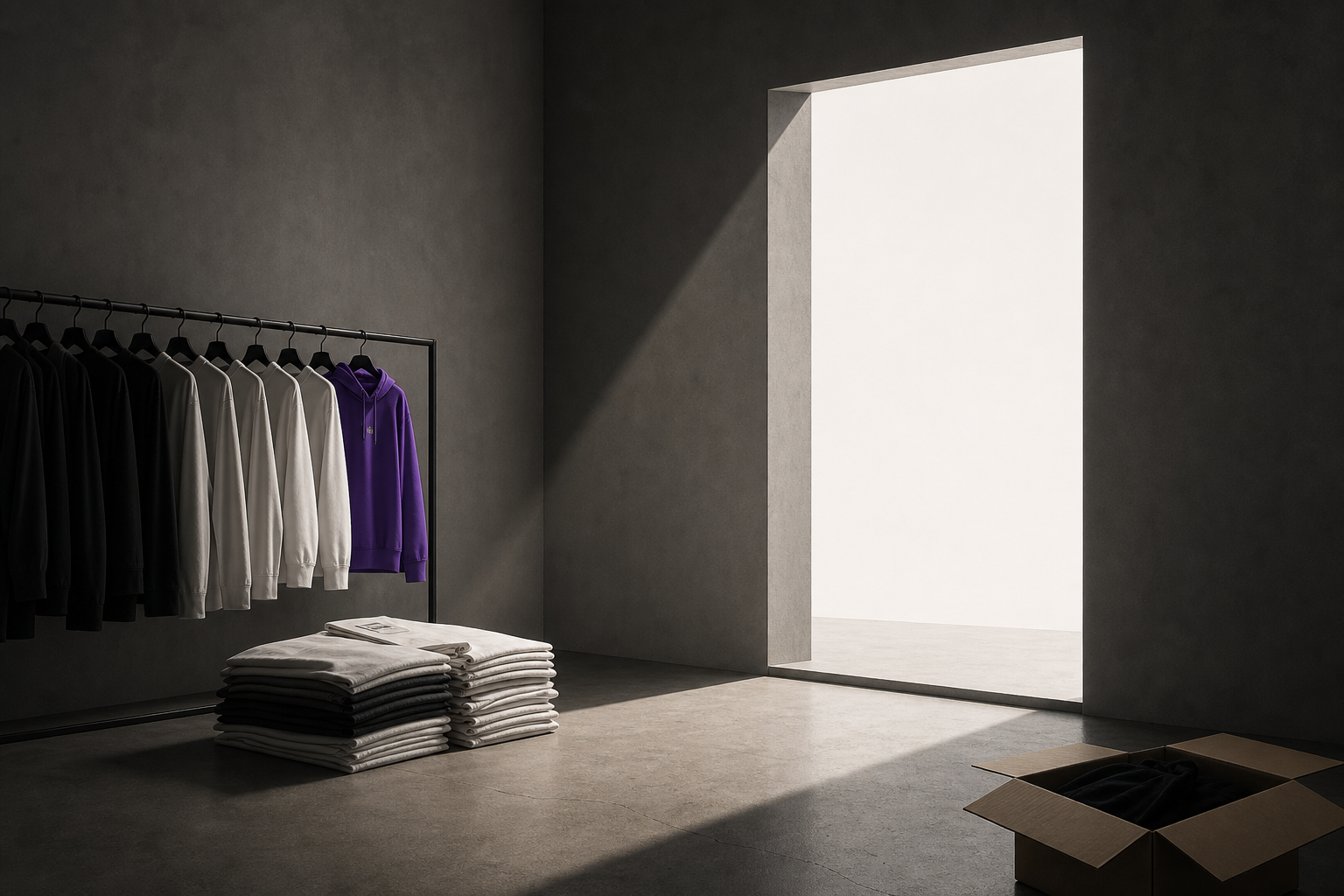
Fashion brands don't lose the drop window because of logistics. They lose it because fashion brand ad creative production speed can't keep pace with the hype cycle. The 48-hour window around a drop is when social intent peaks, algorithm reach is cheapest, and buyer urgency is highest. Miss it, and you're running ads into a cold audience at full CPM. The creative bottleneck — not the supply chain — is what kills drop performance.
Why does the 48-hour drop window close so fast?
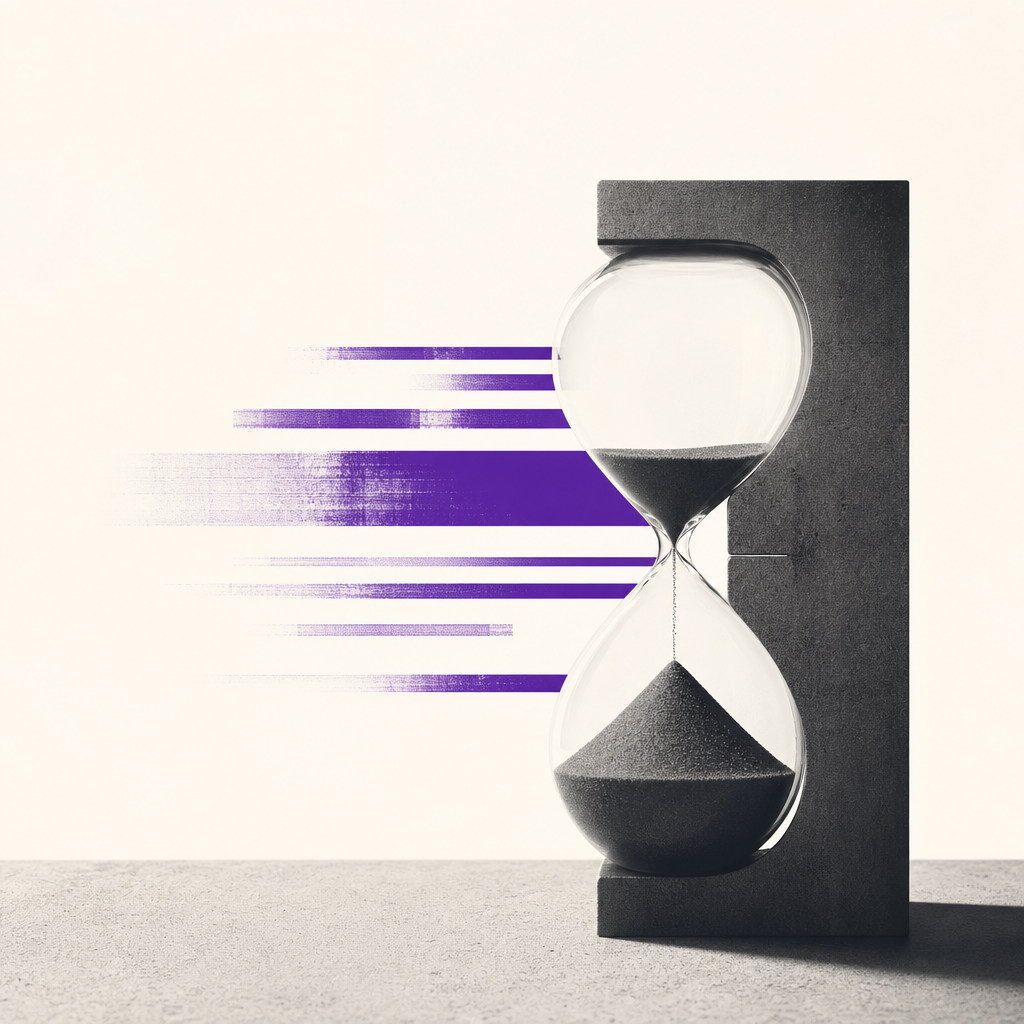
The window closes because social platforms reward recency, not quality.
When a drop lands, the algorithm reads early engagement signals — saves, shares, story views — and amplifies content that catches those signals in the first two days. After 48 hours, the organic momentum is largely spent. Paid ads can extend reach, but CPMs climb as the moment passes and competing content floods the feed.
The brands that win drops aren't necessarily the ones with the best product. They're the ones with ready-to-run creatives the moment inventory goes live.
That's a production problem.
What actually causes creative latency in fashion brands?
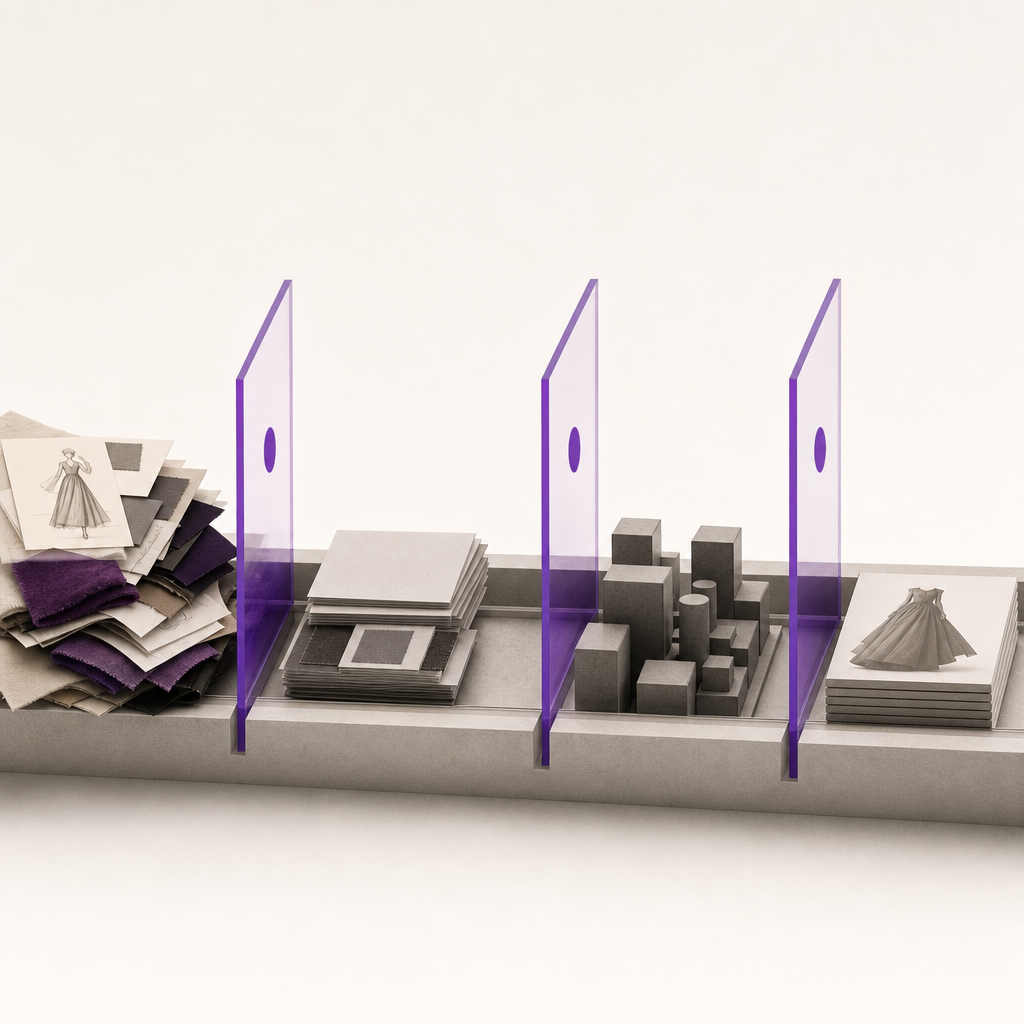
Fashion brand ad creative production speed breaks down at three specific points in the production pipeline.
The brief-to-shoot gap
Most fashion campaigns start with a creative brief. That brief goes to an agency or in-house studio. The studio books models, scouts locations, coordinates wardrobe, arranges lighting. Even a lean shoot takes five to seven business days from brief to delivery.
For a drop that was finalised two weeks ago, that timeline is already compressed. For a drop that pivoted on trend data last week, it's impossible.
The revision loop
Once footage arrives, the edit begins. Then the review. Then the revision. A typical creative approval cycle runs six to eight rounds before a final asset is signed off [^2]. Each round adds 12 to 24 hours. For a 48-hour window, that's the whole window — gone.
Platform format fragmentation
A single ad concept needs to run across Instagram Reels (9:16), feed posts (1:1), Stories (9:16 with safe zones), TikTok (9:16 with different caption placement), and Pinterest (2:3). That's five format variations per creative. Multiply by three or four concepts per drop, and you're looking at 15 to 20 individual asset exports — each requiring manual resize, recomposition, and QA.
Most creative teams aren't slow because they lack talent. They're slow because the process was designed for campaigns that have weeks, not hours.
How does creative latency translate into lost revenue?
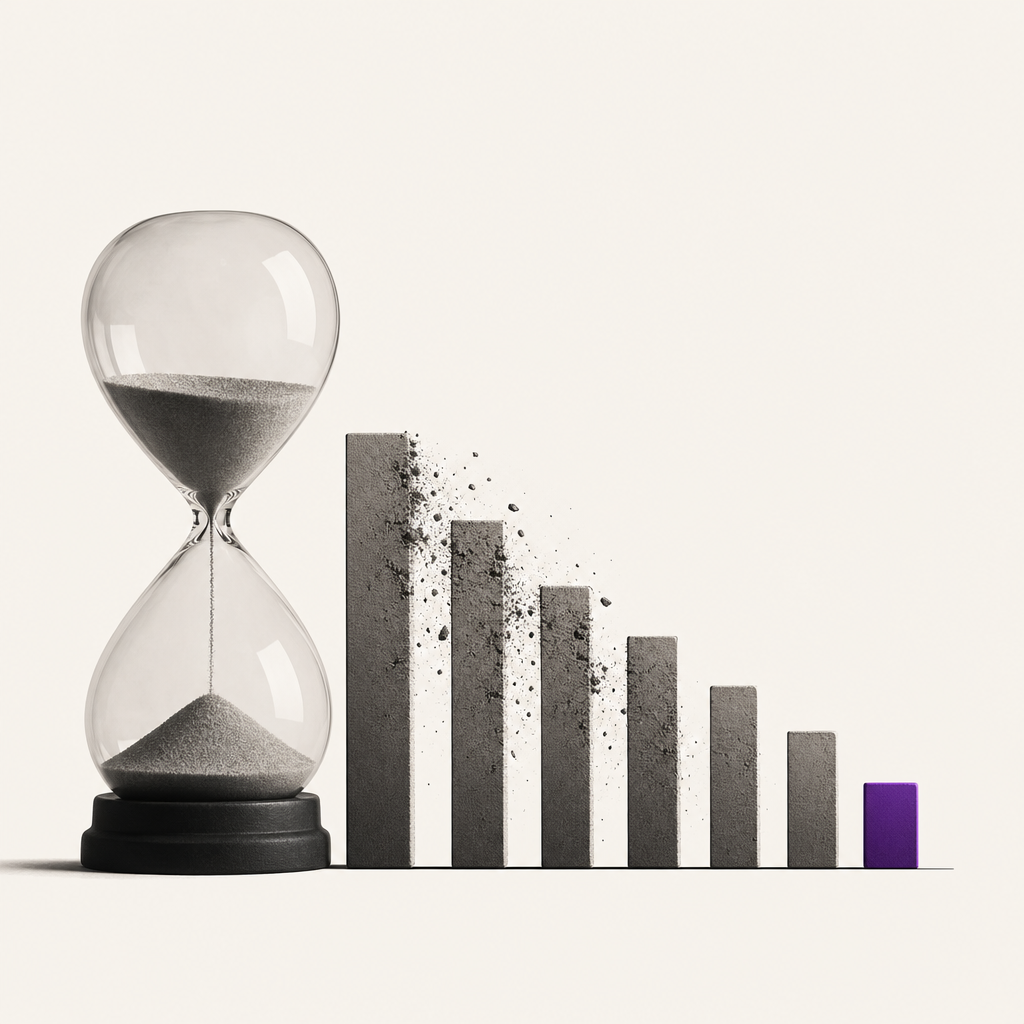
The math is straightforward.
A drop that generates $200,000 in first-day revenue typically sees 60 to 70 percent of total drop revenue in the first 72 hours. If your ads go live on day three because creative wasn't ready, you're competing for the remaining 30 to 40 percent — at higher CPMs, against a cooling audience.
Fashion brand ad creative production speed is directly correlated with first-day sell-through rate. Brands that can run paid social within six hours of a drop going live consistently outperform brands that launch ads 48 hours later, even when the late-launching brand has a higher ad budget.
The bottleneck isn't spend. It's latency.
Why do most fashion teams underestimate the problem?
Because the production calendar looks fine — until the drop moves.
Fashion brands plan shoots weeks in advance. The calendar is built around expected drop dates. But drops shift. A supplier delays a shipment. A trend breaks unexpectedly and the creative brief changes. A competitor drops on the same day and the strategy pivots to counter-programming.
Every one of those events invalidates the production calendar. And a production calendar built around physical shoots, external agencies, and multi-round approval cycles has no slack to absorb a last-minute change.
"The brands winning drops in 2026 aren't faster because they have bigger teams. They're faster because they've decoupled creative production from physical logistics."
The insight from the Agentic FMCG Playbook is relevant here [^2]: consumer goods brands that embed agentic AI into their creative workflows have systematically reduced production cycles from days to hours — not by cutting corners, but by removing the physical dependencies that create latency in the first place.
What does a low-latency creative stack look like?
It starts with removing the physical shoot as the default production method.
Virtual production as the default, not the fallback
The Virtual Photoshoot Agent is a concrete example of how this works in practice [^3]. Rather than booking a model, scouting a location, and waiting for weather, a virtual production system generates photorealistic model shots on demand — with full control over environment, lighting, styling, and composition.
For a fashion brand running a drop, this means: brief in, hero visual out, in the same day. The creative team retains full art direction control. The physical logistics are gone.
Brief-to-video in minutes, not days
Ad-Genie takes a single creative brief and produces nine platform-ready video ad variations. Production time drops from three to five days to 10 to 20 minutes per creative. For a brand running weekly drops, that's not a marginal efficiency gain — it's a structural shift in what's possible.
The revision loop collapses too. Instead of six to eight agency rounds, teams run one to two internal reviews. The AI handles format adaptation, pacing, and platform-specific composition automatically.
Format scaling without manual export
ReFrame handles the format fragmentation problem. It converts a master creative into every required aspect ratio — 9:16, 1:1, 2:3 — while preserving composition, subject placement, and visual balance. What previously took a designer two hours per creative now takes minutes.
Together, these tools don't just accelerate production. They change the architecture of the creative pipeline entirely.
What should fashion brands do differently before the next drop?
The answer isn't "use more AI tools." It's "restructure the production calendar around what's actually time-sensitive."
Here's the practical reframe:
- Separate hero campaign assets from drop assets. Hero campaign shoots can still be physical. Drop-specific creatives — the ads that run in the 48-hour window — should be produced virtually, on demand.
- Pre-brief the AI system before the drop date. Load brand guidelines, product imagery, and copy direction 24 hours before the drop. The creative is ready to render the moment inventory goes live.
- Reduce approval gates for drop creatives. A two-round internal review is sufficient for drop ads. Reserve the six-round process for campaign hero assets.
- Build a format library once, deploy infinitely. Create a master template per platform format. Every new drop creative adapts to that template automatically.
Fashion brand ad creative production speed isn't a creative quality problem. It's a process design problem. The brands that fix the process win the window.
How does AI discovery change the stakes for fashion ad creative?
There's a second-order effect worth naming.
As discovery shifts from search result pages toward AI-synthesised responses and agentic recommendation systems [^1], the surface area for fashion brand visibility is changing. AI engines surface brands based on content recency, structured metadata, and engagement signals — not just paid placement.
A brand that consistently publishes drop-aligned content within the 48-hour window builds a stronger recency and engagement signal over time. That signal compounds. Brands that are consistently late to the window are, over time, training the algorithm to treat them as low-signal sources.
Fashion brand ad creative production speed is no longer just a performance marketing problem. It's an organic discovery problem too.
Related reading
- How AI Agents Are Rewriting the Rules of Social Media Content for E-Commerce CMOs
- Product Ad Creative Generator: Scaling Fashion Ads from Few Winners to Infinite Performers
- The Agentic FMCG Playbook — Nagent AI
- Explore the Nagent Agents Marketplace
Frequently Asked Questions
Why do fashion brands miss the drop window even with large creative teams?
Large creative teams don't solve the latency problem — they often add approval layers that slow it down further. The core issue is physical production dependencies: model bookings, location shoots, agency revision cycles. These create fixed lead times that can't compress below five to seven days, regardless of team size. The fix is removing physical dependencies from drop-specific creative production entirely.
What is ad creative latency and why does it matter for fashion drops?
Ad creative latency is the time between a product going live and a brand's first paid ad running in market. For fashion drops, this gap is critical because 60 to 70 percent of drop revenue typically lands in the first 72 hours. Every hour of creative latency is an hour of missed sell-through at peak audience intent. Brands with sub-six-hour creative-to-live pipelines consistently outperform those running ads 48 hours post-drop.
Can AI-generated visuals match the quality standards of premium fashion brands?
Yes — with the right system. Tools like the Virtual Photoshoot Agent generate photorealistic model shots with full control over lighting, environment, and styling. The output is production-ready for paid social. The creative director retains full art direction authority; the AI removes the physical logistics, not the creative intent.
How many ad variations should a fashion brand produce per drop?
A minimum viable drop creative set covers three to four concepts, each adapted across five platform formats — giving you 15 to 20 individual assets. With AI video and image agents handling format adaptation automatically, producing this volume takes hours rather than days. More variation also means faster A/B signal on which concept is driving the best CPM and conversion rate.
Where should fashion brands start if they want to reduce creative production time?
Start with drop-specific creatives, not campaign hero assets. Pilot a virtual production workflow for one drop: use Ad-Genie for video variations and the Virtual Photoshoot Agent for product imagery. Measure time-to-live and first-day sell-through against your previous drop. The gap is usually visible in the first test.
What's next
If your creative pipeline is costing you the drop window, the fix is a process audit, not a bigger team. Book a free 30-minute demo at nagent.ai and we'll map your current production timeline to a low-latency alternative — with specific agents matched to your workflow.
Sources
- AI ranking optimisation _(pdf)_
- The Agentic FMCG Playbook _(pdf)_
- Virtual Photoshoot Agent _(product doc)_